
Follow the Effects / Research & Writing / Paper summary
Rooted Cities: Walking the Northeast Corridor toward Biophilic Urbanism
A comparative walking study linking observations in Japan, Singapore and the Northeast Corridor with questions of urban nature, care and belonging.
Research summary · 2025 paper
- Date / period
- 2025
- Place
- United States
- Contribution
- Research and writing by Adam Scott.
Rooted Cities asks how biophilic urbanism—bringing nature into everyday city life—might translate between places with different histories, resources and stewardship. The September 2025 paper draws on walking observations in Japan, Singapore and the U.S. Northeast Corridor.
Its method moves between literature and firsthand observation: small planted edges and shrine thresholds in Japan, larger coordinated landscapes in Singapore, and interruptions in shade and pedestrian continuity along the U.S. corridor. These are situated observations, not a representative survey of entire cities.
The design question is one of transfer: what can a modest intervention do, who would care for it, and how could it avoid excluding the people already there? The paper proposes directions for study rather than demonstrating built neighborhood outcomes.
This summary presents the paper’s questions and proposed directions. It does not establish completed films, partnerships or built neighborhood outcomes.
Select an image to enlarge it in a new tab.
Urban nature in context
A fieldwork image from the presentation accompanies the paper’s questions about nature within everyday city life.
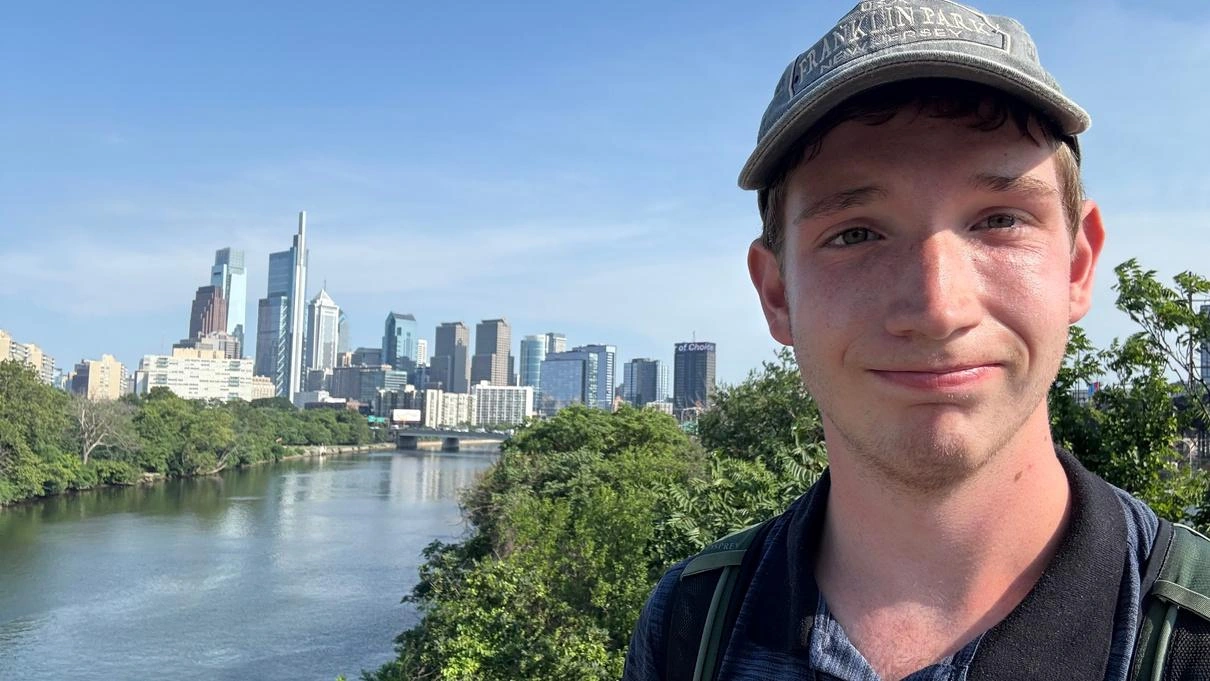
New York City fieldwork image from the Rooted Cities presentation. Water, planted edges and the skyline frame the urban-nature inquiry. This archival image accompanies the research summary.